


When you step into a sauna, you expect heat, relaxation, and a good sweat. But not all saunas are created equal. If you’re looking into buying one or simply deciding where to spend your time at the gym, you’ll likely encounter two main options: the traditional “hot rock” sauna and its modern counterpart, the infrared sauna. While both offer incredible health benefits, they achieve these results in completely different ways.
The Core Difference: How They Heat You
The fundamental difference between these two lies in how they generate heat.
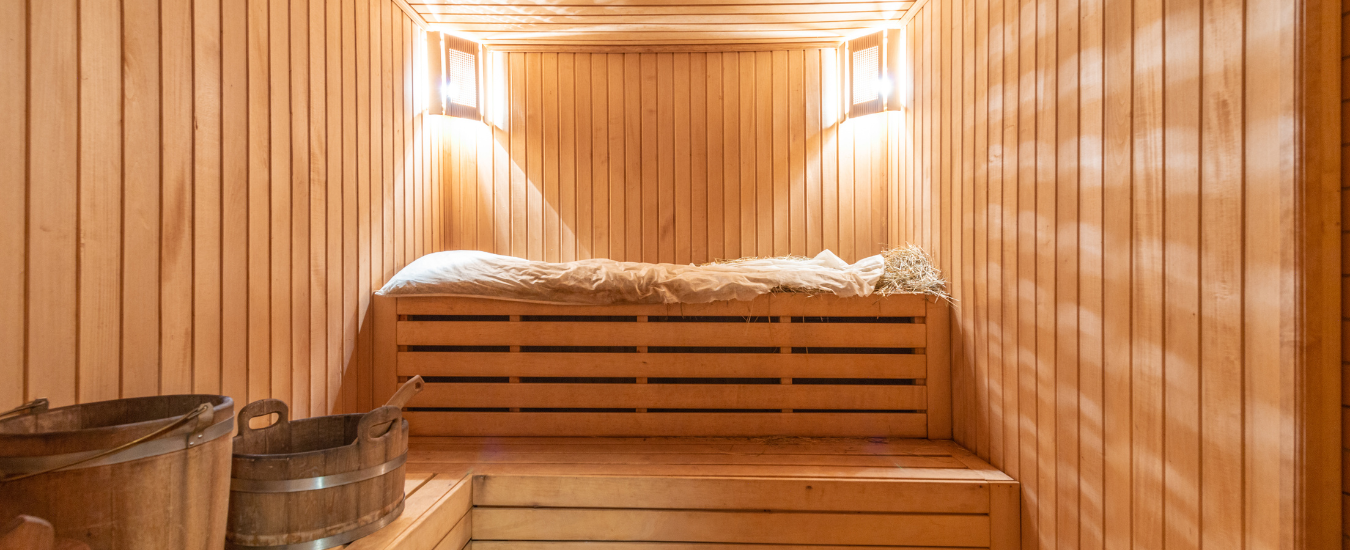
Traditional Hot Rock Saunas use convection heating. A stove—typically electric, gas, or wood-burning—heats a pile of volcanic rocks. These rocks then radiate heat, which warms the air inside the room to very high temperatures (usually between 170°F and 200°F). To add humidity, you can pour water over the rocks, creating a burst of steam. This is the classic “Finnish” sauna experience where the hot air gradually warms your body from the outside in .
Infrared Saunas work through radiant heat. Instead of heating the air, they use infrared light panels that emit electromagnetic radiation. These wavelengths directly heat your body and the objects around you, without significantly warming the surrounding air . The air temperature in an infrared sauna is much lower—typically ranging from 100°F to 150°F—making it feel more like basking in the warm sun than sitting in a hot room .
Pros and Cons at a Glance
Choosing between these two often comes down to personal preference and specific health goals. Here is a breakdown of the benefits and drawbacks of each.
Traditional Hot Rock Sauna
The Pros:
- The Classic Experience: For many, the high heat, the crackling of stones, and the ability to add steam create a ritual that feels authentic and deeply relaxing. It’s the social sauna experience most people picture .
- Cardiovascular Workout: The high ambient temperatures force your body to work hard to cool down, significantly raising your heart rate and mimicking a moderate cardiovascular workout .
- Humidity Control: You have full control over the humidity by splashing water on the rocks, which can make the heat feel more tolerable and help open airways .
The Cons:
- Intense Heat: The high temperatures (often exceeding 190°F) can be overwhelming or even unbearable for people who are heat-sensitive .
- Maintenance: The constant use of water creates steam and moisture, which can warp the interior wood over time and requires more diligent cleaning to prevent mold and bacteria .
- Energy Inefficiency: Because they heat the entire room, they require significant energy to reach and maintain such high temperatures .
- Surface-Level Sweat: The heat primarily impacts the surface of your skin, leading to sweating that is mostly water .
Infrared Sauna
The Pros:
- Gentle, Tolerable Heat: The lower air temperature makes it accessible for those who find traditional saunas too intense. The experience is often described as comfortable and meditative .
- Deep Penetrating Heat: Infrared wavelengths can penetrate up to 1.5 inches into the skin and tissues. This is why enthusiasts claim it is excellent for deep muscle pain relief, joint stiffness, and relaxation .
- Cellular Detoxification: Because it heats you from within, it induces a “deep sweat” at a lower temperature. Studies suggest this sweat contains a higher percentage of toxins compared to the water-heavy sweat of a traditional sauna .
- Energy Efficient: Since they don’t heat the entire room, they use less electricity and heat up quicker than traditional stoves .
The Cons:
- Less Tradition: Purists often argue that the low humidity and lack of steam deprive you of the genuine spa-like, cleansing experience of a traditional sauna .
- Potential Risks: Critics note that health claims regarding detox and weight loss are often exaggerated. While generally safe, those with heart conditions, high blood pressure, or who are pregnant should consult a doctor before use, as the deep heat can quickly raise core body temperature and heart rate .
- Skin Irritation: Some users report that the dry heat can irritate the skin, dry out the scalp, or cause respiratory discomfort for some .
Which One Is Right for You?
According to experts, the best sauna is the one that is available and comfortable for you to use . Here is a quick guide to help you decide.
Choose a Traditional Hot Rock Sauna if you:
- Love high heat and the traditional sauna ritual.
- Enjoy the option to add steam for humidity.
- Have no issues with intense heat.
- Want a more social, spa-like atmosphere.
Choose an Infrared Sauna if you:
- Are sensitive to extreme ambient heat or have a lower tolerance.
- Are looking for deep muscle and joint pain relief.
- Want to maximize detoxification through a deep, cellular sweat.
- Are looking for an energy-efficient, low-maintenance option for your home.
Both options offer significant benefits for stress relief, circulation, and overall well-being. Ultimately, your choice should reflect the type of heat you find most relaxing and the health goals you want to achieve .