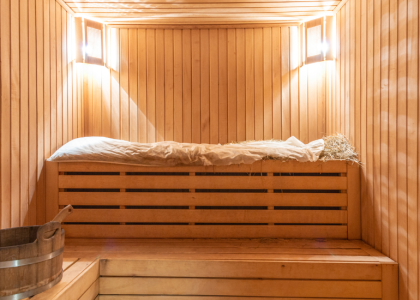



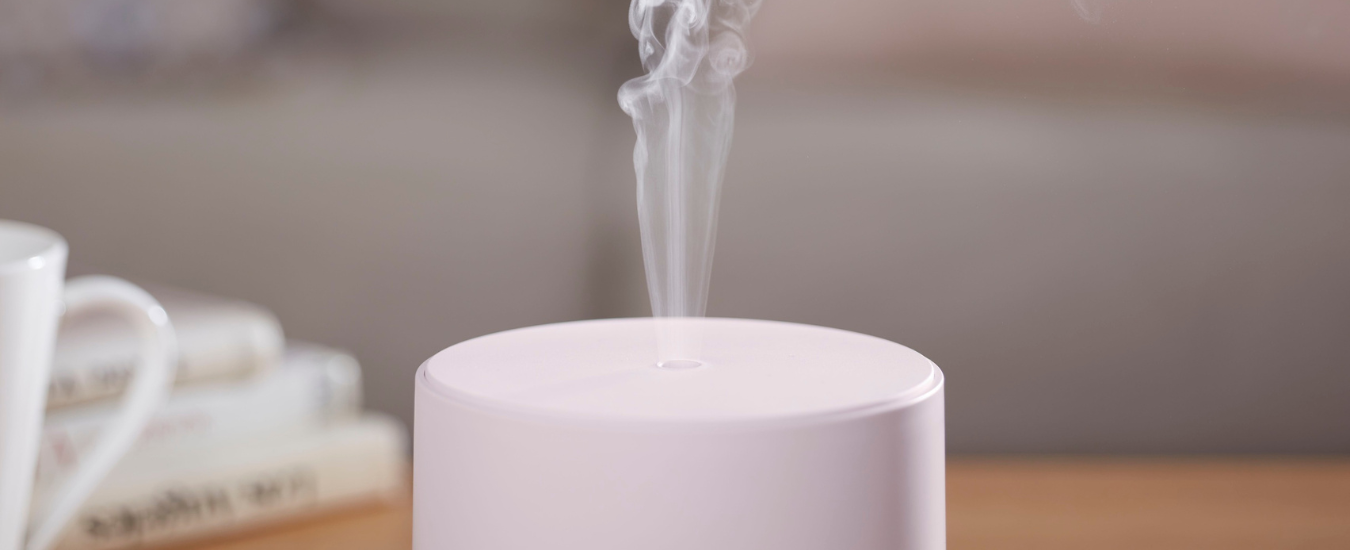
You’ve just finished a workout, or perhaps you’re treating yourself to a spa day. You walk into the wellness area and are faced with a classic dilemma: two glass doors. Through one, you see wooden benches and dry, intense heat. Through the other, you see a tiled room cloaked in thick, opaque fog.
The Sauna vs. the Steam Room.
At first glance, they seem to do the same thing—make you hot and sweaty. But biologically and experientially, they are worlds apart. Choosing the wrong one could mean leaving feeling claustrophobic and uncomfortable, while choosing the right one could become the highlight of your wellness routine.
Here is the ultimate breakdown to help you pick your perfect match.
The Core Difference: Dry Heat vs. Wet Heat
Before we dive into benefits, let’s get the basics straight:
- The Sauna (Finnish/Dry): Typically sits between 160°F and 200°F but has very low humidity (usually 5% to 10%). Because the air is dry, sweat evaporates quickly, which actually makes the extreme heat feel more tolerable on your skin.
- The Steam Room (Turkish/Hammam): Runs much cooler, usually between 110°F and 120°F, but has 100% humidity. The air is fully saturated with water vapor. Because there is no evaporation, the heat feels heavy, suffocating, and sticks to your skin immediately.
The Golden Rule: If you can breathe easier, you’re in a sauna. If you feel like the air is thick enough to chew, you’re in a steam room.
Round 1: Respiratory Health (The Lungs)
This is where the choice becomes obvious.
- Steam Room Wins for Congestion: If you have a cold, allergies, asthma, or sinus congestion, the steam room is your savior. The moist, warm air loosens mucus in your nasal passages, throat, and lungs, making it easier to breathe and cough up phlegm. It acts as a natural decongestant.
- Sauna Wins for Deep Breathing: If you suffer from chronic bronchitis or simply want to expand your lung capacity, the dry heat of a sauna helps dilate the bronchial tubes. However, it doesn’t liquefy mucus as effectively as steam.
Verdict: Choose the Steam Room if you’re stuffy or battling allergies. Choose the Sauna if you just want to practice deep, meditative breathing without feeling choked by moisture.
Round 2: Muscle Recovery and Soreness (The Body)
If you lift weights, run marathons, or have chronic joint pain, pay close attention.
- Sauna Wins for Deep Tissue Relief: The intense, dry heat of a sauna penetrates deeply into muscle tissue. It increases blood flow to the extremities, flushing out lactic acid and bringing in oxygen-rich blood to repair micro-tears. If you have deep muscle knots or overall stiffness, the sauna is superior.
- Steam Room Wins for Joints and Arthritis: The wet heat of a steam room is gentler but highly effective for lubricating joints. If you suffer from osteoarthritis or rheumatoid arthritis, the moist heat reduces stiffness in the connective tissues faster than dry heat, allowing for greater mobility post-session.
Verdict: Choose the Sauna for post-workout muscle repair. Choose the Steam Room if you have achy, arthritic joints or stiff tendons.
Round 3: Skin Health (The Complexion)
We all want that post-spa glow, but the two rooms achieve it very differently.
- Steam Room Wins for Cleansing: The moist heat opens up your pores and triggers heavy sweating. This combination helps to deeply flush out dirt, oil, and dead skin cells trapped in the follicles. It is excellent for those with acne-prone or congested skin (provided you wash your face immediately after to prevent the dirt from settling back in).
- Sauna Wins for Circulation: The extreme heat of the sauna causes a rapid dilation of blood vessels just beneath the skin’s surface. This brings a massive rush of blood to the face, giving you that vibrant, rosy “glow.” It also stimulates collagen production over time, which can help with skin elasticity.
Verdict: Choose the Steam Room if you want a deep pore cleanse. Choose the Sauna if you want to boost circulation and achieve a healthy, bright complexion.
Round 4: The “Comfort” Factor (Tolerance and Claustrophobia)
Not everyone can handle extreme environments, and that is perfectly okay.
- Sauna is More Tolerable for Beginners: Paradoxically, despite being much hotter, the sauna feels easier for most people. Because the air is dry, your sweat evaporates instantly, cooling your skin. You can usually sit for 15 to 20 minutes comfortably.
- Steam Room Can Feel Suffocating: The 100% humidity means sweat cannot evaporate. Your body loses its primary cooling mechanism, so the heat feels oppressive very quickly. Furthermore, the thick fog can trigger claustrophobia in some people. Most beginners tap out of a steam room after just 5 to 8 minutes.
Verdict: Choose the Sauna if you are new to heat therapy or dislike feeling smothered. Choose the Steam Room only if you are comfortable with humidity and have a high tolerance for feeling “heavy.”
Round 5: Hygiene and Maintenance (The Practical Side)
Let’s be honest about the dirt factor.
- Sauna is Drier and Cleaner: Because of the low humidity, bacteria and mold struggle to survive in a sauna. The wood (usually cedar or spruce) also has natural antimicrobial properties.
- Steam Room is a Bacteria Breeding Ground: The warm, wet tiles of a steam room are a paradise for bacteria, fungi, and mold. You must never sit directly on the tile benches without a towel. Showering before and after is non-negotiable in a steam room to prevent skin infections.
Verdict: Choose the Sauna if you are a germaphobe. Choose the Steam Room only if you are diligent about using fresh towels and showering immediately.
The Final Verdict: Which One is Right for YOU?
Still stuck? Use this quick decision-flow chart:
| Your Goal | Your Choice |
|---|---|
| You have a cold, sinus issues, or allergies | 👉 Steam Room |
| You have sore muscles from the gym | 👉 Sauna |
| You want to detox and clear your pores | 👉 Steam Room |
| You want a cardiovascular “workout” without moving | 👉 Sauna (the higher heart rate wins here) |
| You are claustrophobic or sensitive to moisture | 👉 Sauna |
| You have arthritis or stiff joints | 👉 Steam Room |
The Pro-Tip: You Don’t Have to Choose
If your gym or spa offers both, why not do a contrast therapy circuit?
Start with 10 minutes in the sauna to dilate your blood vessels and loosen your muscles. Then, take a quick lukewarm shower and move to the steam room for 5 minutes to flush out your pores and clear your sinuses. Finally, finish with a 30-second cold plunge or cool shower. This “hot-cold-hot” method supercharges your circulation and immune system like nothing else.
Whichever door you walk through, remember to hydrate heavily beforehand, listen to your body, and exit immediately if you feel dizzy. Both the sauna and the steam room are ancient tools of healing—you just need to pick the tool that fits your specific ailment of the day.
Do you prefer the dry heat or the steamy fog? Drop a comment and let us know which team you’re on!